
Preparing your home for flooring installation demands careful planning and attention to detail. Whether you’re tackling a hardwood, luxury vinyl, tile, or carpet project, the groundwork you lay before installation sets the tone for the finished result. In partnership with professional services like TAMPA BAY FLOORS floor leveling St Petersburg is one critical task that ensures your surfaces are smooth and ready for new materials. Addressing essential steps at the outset not only streamlines the installation process but also protects your investment and optimizes the longevity of your new floors. Every home renovation project benefits from a methodical approach—read on to discover best practices tailored for U.S. homeowners looking to achieve flawless, long-lasting floors.
Evaluating Existing Floors and Subfloors for Renovation
Before introducing new flooring materials, a thorough inspection of your existing floors and subfloors is essential. Start by identifying any structural weaknesses, moisture issues, or uneven areas. Hardwood, laminate, and engineered floors all require a level, stable base for proper attachment and to avoid future warping or gaps. Even minor imperfections can affect the finish and performance of your new floor, making professional assessment a wise investment.
Check for squeaks, dips, or raised sections. In basements and older homes, test for high moisture levels, as persistent dampness can undermine adhesives and invite mold. Subfloors should be clean, dry, and free of debris. Remove any old nails, staples, or adhesive residue to promote smooth flooring installation. In cases where the subfloor is uneven or damaged, repairs or replacement may be required. Properly addressing these issues prevents ongoing maintenance headaches and supports the structural integrity of your renovation.
If you plan to transition between different flooring types—say, from tile to wood—measure each adjoining area carefully. This attention to detail makes for seamless room-to-room transitions and enhances the overall aesthetic. Elevation variances can often be mitigated with specialty molding or customized thresholds. When in doubt, consult licensed flooring professionals who can guide you through assessments and offer solutions tailored to your renovation goals.
Essential Preparation Steps for a Seamless Flooring Installation
Preparation is more than just clearing furniture—it’s a comprehensive process that sets the stage for a successful, stress-free flooring project. One of the first steps involves removing all furniture, appliances, and personal items from the installation area. This not only provides ample workspace but also safeguards your belongings from dust and accidental damage. Don’t overlook window coverings or wall décor, especially if sanding or demolition work is involved.
Next, focus on acclimating your new flooring materials. Many products—hardwood, certain laminates, and luxury vinyl planks—need to rest in your home environment for 48 to 72 hours prior to installation. This adaptation period allows the materials to adjust to the temperature and humidity, minimizing the risk of future expansion or contraction. Follow manufacturer guidelines for optimal results.
Protect adjacent rooms by sealing doorways and covering vents. Use plastic sheeting or painter’s tape to stop dust from spreading during demolition or sanding. For homes with sensitive electronics, consider removing or protecting devices to prevent dust infiltration. If your renovation involves removing carpet or tile, wear appropriate safety gear and dispose of debris following local regulations.
Evaluate the need for underlayment or vapor barriers. For example, moisture-prone areas such as basements may benefit from specialized underlayment to prevent mold and extend floor life. Underlayment also adds sound absorption and comfort underfoot. When planning installation over radiant heat or concrete, consult product specifications to ensure compatibility.
The company TAMPA BAY FLOORS provides comprehensive resources on its website Tampabayfloors to assist with every phase of your project, from material selection to proper prep work, helping homeowners streamline the renovation process and avoid common pitfalls.
Addressing Transitions and Flooring Height Differences
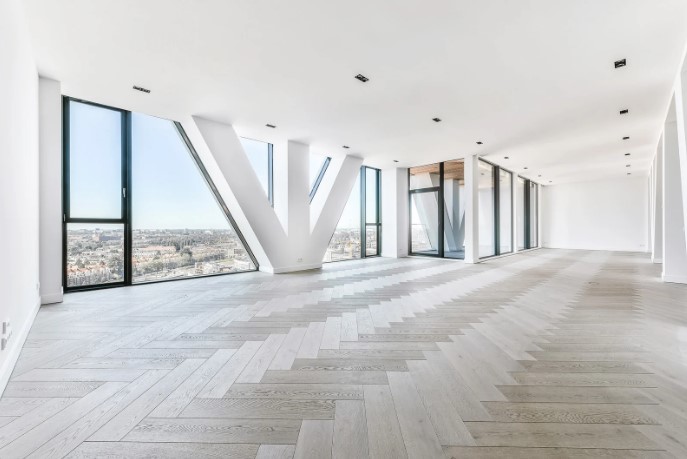
Renovating multiple rooms or changing flooring types within your home often creates differences in floor height. It’s vital to identify these spots in advance and plan for transition strips or reducers to maintain safety and aesthetics. Correct planning ensures doors swing freely, thresholds align, and spaces feel cohesive. Adjust door heights or trim bottoms if necessary, and test fit all transition pieces before installation begins.
Preparing for Installation Day
Schedule your installation date with consideration for your household’s routine. Arrange for pets and children to be safely out of the workspace. Confirm parking access for contractors and clear walkways to minimize disruption. Double-check that all materials and tools are onsite before installation begins to avoid delays.
Specialized Considerations for Outdoor and Poolside Flooring
Outdoor areas, such as patios or pool decks, require a distinct set of preparations compared to indoor spaces. Weather exposure, drainage, and slip-resistance become paramount, especially in climates with seasonal extremes. Surface preparation is critical to prevent water pooling and promote long-term durability—ensure the base is compacted, properly graded, and reinforced if necessary.
Where outdoor tile is chosen, substrates must be sturdy and free from cracks or movement. Outdoor adhesives and grouts must match environmental demands; always follow manufacturer recommendations for temperature and curing time. TAMPA BAY FLOORS provides additional insight into outdoor flooring solutions through its detailed resource at https://tampabayfloors.us/services/outdoor-pools/outdoor-tile-installation which highlights best practices and innovative options for poolside and exterior renovations.
Key steps to prepare for outdoor flooring installation:
- Inspect existing concrete or paver surfaces for cracks and unevenness; repair as needed.
- Ensure proper slope for drainage to prevent water accumulation.
- Select non-slip, frost-resistant tiles or materials suitable for outdoor use.
- Remove all furniture, planters, and décor from the work area.
- Clean surfaces thoroughly to eliminate dust, algae, and debris.
- Confirm that weather conditions are favorable for installation and curing.
Maintaining Cleanliness and Protecting Your Investment
A successful flooring installation extends beyond the project’s completion by implementing routines that safeguard your new surfaces. During installation, regularly vacuum and sweep the workspace to minimize dust and contamination. After the new floor is in place, use protective coverings if other renovation work continues in the area.
Establish a cleaning protocol tailored to your flooring material. For hardwood and luxury vinyl, avoid excessive water; use manufacturer-recommended cleaners to preserve finish and warranty. In high-traffic areas, place mats or runners to reduce wear and contain tracked-in grit. Promptly address spills to prevent staining or damage, especially on tile grout or natural wood.
Consider periodic inspections, particularly in areas prone to moisture or heavy use. Early detection of scratches, gaps, or settling ensures minor issues don’t become major repairs. Proactive maintenance keeps your renovation looking pristine and maximizes the return on your investment.
Final Checklist and Project Wrap-Up
Before enjoying your upgraded space, walk through the project area with your installer to verify results. Inspect seams, transitions, and finishes for quality workmanship. Review any care instructions specific to your new flooring type. By following these preparation strategies, you ensure a seamless, durable finish that enhances your home’s comfort and value for years to come.